will be slowly migrate posts here to the new site which allow make different categories ... and allow easier management and looking for info...
http://liewwkphoto.com/blog/
Friday, January 14, 2011

Tuesday, January 11, 2011
My Gear - Mac Book Air

finally I am also a Apple user ... I am totally new, not use to the OS for the 1st tough ....
but the screen great ... the weight of the MBA just amazing ....

- it even thinner than my Lumix Len cap ...
but too bad it is smaller by 50% of my workstation

not much thing attract me now ... have to test myself and will update how fast I adopt MAC OS after ~15years of Windows and UNIX users ...... 1st question is how I maximise my browser ??? :D
Friday, January 7, 2011
News - Colorless
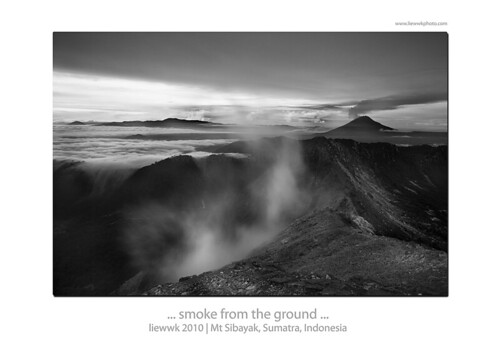
I do prefer colorful especially the beauty of Nature... I love the green, orange, golden color of the sky... leaf ..............
But I have to admit at certain view and weather.. it is always good to capture it as mono ... but I still not agree those unwanted picture to be convert to Mono instead .... we should always plan what we want to PP while we plan our shooting (but this do not mean we have to shoot in Black and White) but we can plan it, shoot it and convert it ..........
still long for me to learn ... it is totally new to me ...................................time to look around for expert and books .............
this was beautiful morning with golden Sun ray
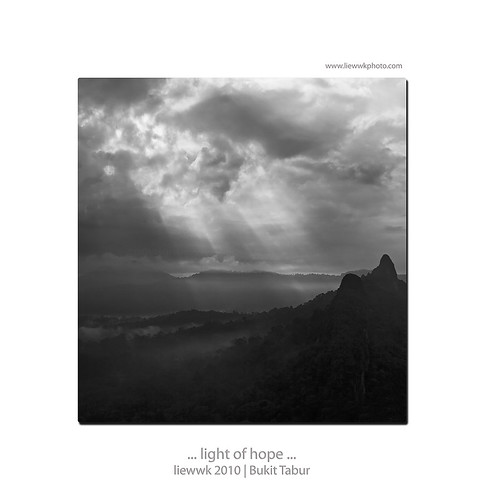
mono make the mystery feel
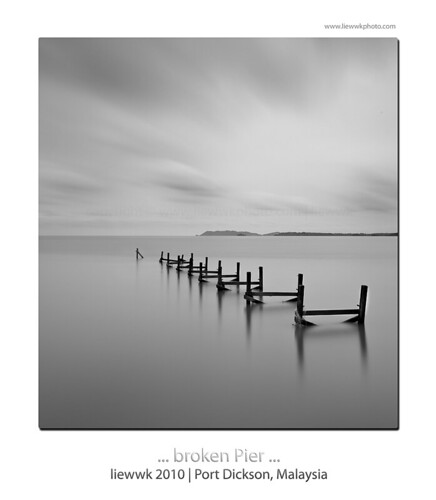
weather was real bad ... no color at all on the sky .... I play with 10 stops filter to create the line .
I had create new set @flick
http://www.flickr.com/photos/liewwk/sets/72157625640480407/
and had started a new category in my web site
http://www.liewwkphoto.com/gallery7.htm
(still empty as busy schedule , will try to get some update here)
But I have to admit at certain view and weather.. it is always good to capture it as mono ... but I still not agree those unwanted picture to be convert to Mono instead .... we should always plan what we want to PP while we plan our shooting (but this do not mean we have to shoot in Black and White) but we can plan it, shoot it and convert it ..........
still long for me to learn ... it is totally new to me ...................................time to look around for expert and books .............
this was beautiful morning with golden Sun ray
mono make the mystery feel
weather was real bad ... no color at all on the sky .... I play with 10 stops filter to create the line .
I had create new set @flick
http://www.flickr.com/photos/liewwk/sets/72157625640480407/

and had started a new category in my web site
http://www.liewwkphoto.com/gallery7.htm
(still empty as busy schedule , will try to get some update here)
Wednesday, January 5, 2011
News - Publish @WWF-MALAYSIA 2011 Calendar ...
For 2010, I had few work published at few commercial photography magazines either from local or oversea... but this is my 1st time have my work publish in Calendar and it is for WWF-Malaysia. As part of the nature lover, I feel sad that feel of my usual MACRO ground had been destroy for development ......
e.g.
http://liewwk-macro.blogspot.com/2010/06/news-another-sad-news.html
Wild life need our help to protect them, WWF-Malaysia is one of the most active society that running conservation projects such as saving endangered species, protect forests, river, sea and etc .....
WWF-Malaysia 2011 Calendar

The Frog
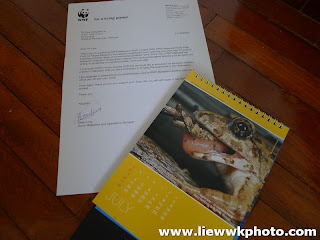

this picture show while my last trip @BELUM Rainforest
http://liewwk-macro.blogspot.com/2009/10/2009-oct-23-25-belum-rainforest-outing.html
and the day before I went this outing, I got new that my work had published into an education book @Netherlands (previous post @
http://liewwk-macro.blogspot.com/2009/10/my-macro-pictures-are-published.html )
e.g.
http://liewwk-macro.blogspot.com/2010/06/news-another-sad-news.html
Wild life need our help to protect them, WWF-Malaysia is one of the most active society that running conservation projects such as saving endangered species, protect forests, river, sea and etc .....
WWF-Malaysia 2011 Calendar

The Frog

this picture show while my last trip @BELUM Rainforest
http://liewwk-macro.blogspot.com/2009/10/2009-oct-23-25-belum-rainforest-outing.html
and the day before I went this outing, I got new that my work had published into an education book @Netherlands (previous post @
http://liewwk-macro.blogspot.com/2009/10/my-macro-pictures-are-published.html )
Tuesday, January 4, 2011
New Found - "Long Horn" Tree Hopper
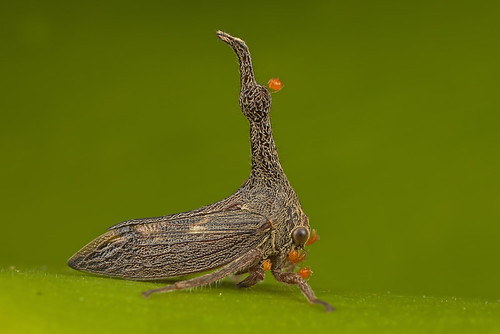
thanks my Gang shunfa to find this interesting Treehopper ... a beautiful one but too bad it's body got attack by mites just like my previous posts
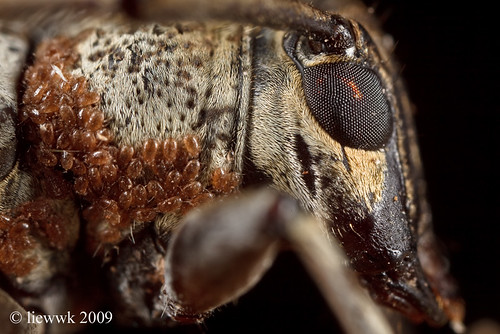
a long-horned beetle full with mites
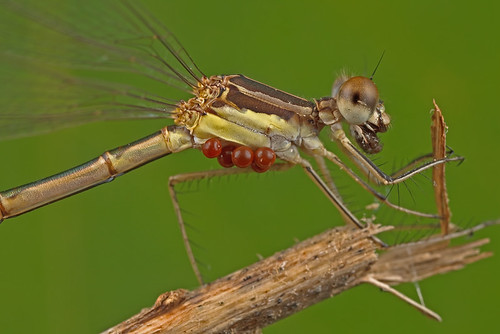
not only beetle, wasp, damselfly ....
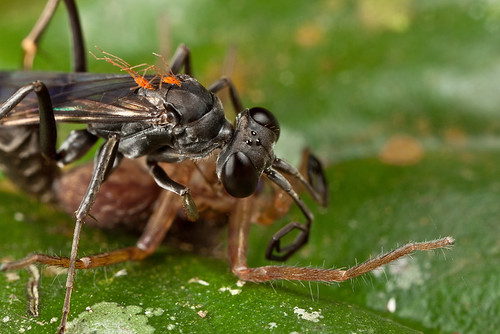
even a tiny jumping spider
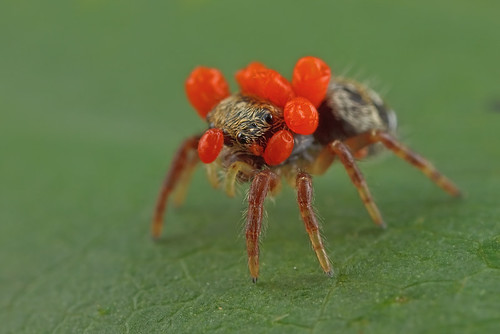
too bad, can't help much on the mites .. as it loo real small to remove ... and for the tiny jumping spider I tried to help but the mites jumping around me feel unconformable...
Monday, January 3, 2011
2010 MACRO Favorites | liewwk
not really give a lot of effort on MACRO this year .... (>50% had use for travel and landscape)
but then think I still got few favorite shots myself

1. ... there is something on my body...Apple , egg ??? ..., 2. ... I want to fly ..., 3. ... a Killer !!! -1 ..., 4. it's always good to look close 33 - Ant-Mimic Crab spider, 5. ... ... it's always good to look close 46 - bee face ..., 6. Hello, this way please ..., 7. long-horned beetle in love - 1, 8. ... mama love ..., 9. ... hello , my name is lacewing ...
but then think I still got few favorite shots myself

1. ... there is something on my body...Apple , egg ??? ..., 2. ... I want to fly ..., 3. ... a Killer !!! -1 ..., 4. it's always good to look close 33 - Ant-Mimic Crab spider, 5. ... ... it's always good to look close 46 - bee face ..., 6. Hello, this way please ..., 7. long-horned beetle in love - 1, 8. ... mama love ..., 9. ... hello , my name is lacewing ...
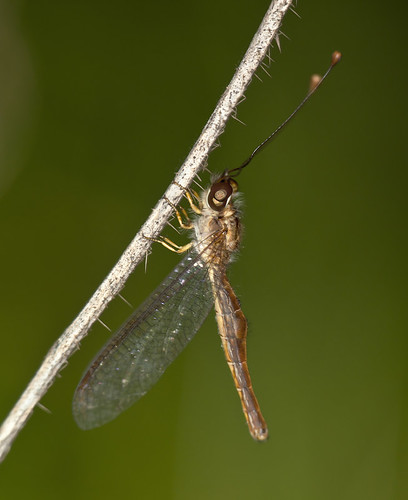
New Found - Owl Fly Family Ascalaphidae
a new discover near my In-law garden ... I thought I lost them after the incident
http://liewwk-macro.blogspot.com/2010/06/news-another-sad-news.html
http://liewwk-macro.blogspot.com/2010/12/they-are-back.html
but then I found most of the bugs back with new discover Owl Flyand this real rare to me .. 1st time saw it and not much ppl saw it wild in MALAYSIA too
http://liewwk-macro.blogspot.com/2010/06/news-another-sad-news.html
http://liewwk-macro.blogspot.com/2010/12/they-are-back.html
but then I found most of the bugs back with new discover Owl Flyand this real rare to me .. 1st time saw it and not much ppl saw it wild in MALAYSIA too
Subscribe to:
Posts (Atom)
